Wednesday, April 9, 2008

The Merger That Worked: Compaq and Hewlett-Packard

In the old days, the conventional wisdom on Wall St. was that mergers were exciting, they created value, they just were good. And the bigger the merger, the better.

In recent years, however, mergers, particularly among large-cap companies, have not been looked upon so favorably. And the results mostly bear out this skepticism. Consider the merger of Citibank with Travelers. The price of a Citi share at the time of the October 1998 merger was $32.50; today the stock sells below $25. Ten years later, a 25% lower shareholder value. Not a pretty sight.

Or what about the infamous merger of Time Warner with AOL? On January 10, 2000, when the merger became effective, Time Warner stock sold for $71.88. Today you can buy a share of Time Warner for under $15. One of the great evaporations of shareholder value in financial history. And then there’s Vivendi-Seagram. And then there’s…well, you get the picture. Bigger is not necessarily more beautiful.

Most of these ill-fated mergers were the results of misguided intentions. Often, it was the aggrandizing drive that so many managements harbor. Or the competitive “mine is bigger than yours” syndrome. At other times it was a desire for diversification. And, egged on by aggressive investment bankers and a receptive stock market, the deals got done.

But of all the megadeals in the last 10 years that have engendered opprobrium, few have rivaled the negative views of the combination of Hewlett-Packard and Compaq Computer. Announced the week before 9/11, the HP-Compaq merger was met with almost universal skepticism and cynicism. And well after the merger was consummated in mid-2002, the doubts continued.

Today, the merger is nearly six years old. And, surprise, surprise -- it’s turned out to be a sensational combination, whether measured by market share, market leadership or increased shareholder value.

Before going further, I should disclose that from shortly after its founding in 1982 until the year 2000, I was non-executive chairman of Compaq Computer. Retiring a year before the HP merger was announced and two years before it became effective, I had neither knowledge of nor participation in the deal. Another disclosure – I currently own no stock in Hewlett-Packard. I’m simply an interested (analytically, not financially) observer.

When I heard about the merger upon its public announcement, I thought to myself, this sounds like a terrific deal. I knew a lot about Hewlett-Packard, and obviously, a lot about Compaq Computer. And what I knew was this: most of Hewlett-Packard’s weaknesses were complemented by Compaq’s strengths, and, the converse. In other words, the two should fit together tongue in groove. This was a merger of two big companies that ought to work.

But, somehow, this view of was not widely shared. Leading the fight against the merger was a son of HP co-founder Bill Hewlett. This sometime cellist, Walter Hewlett, sat on the Hewlett-Packard board and also on the Hewlett-Packard Foundation board. He controlled a
 lot of stock. And he became the leader of the opposition to the merger.

Quoted in the New York Times of February 1, 2002, Walter Hewlett said,
 “The Compaq merger is a dangerously risky, a very costly, step… The risk is great that trying to meld two disparate companies and cultures together in the computer business will come to grief.”

Other observers were equally caustic. Quoted in Time magazine shortly after the merger announcement, Todd Kort, principal analyst for Gartner Research, said,
 “This is not a case of 1+1 = 2. It’s more like 1+1 = 1.5.”

IDC analyst Roger Kay said,
 “Dell must be totally gleeful, because these guys are going to spend all their time untangling themselves.”

The competition, of course, was quick to chime in. In the New York Times, unnamed Dell Computer executives were quoted as saying
, “There is a significant opportunity for us…”

Finally, my favorite comment came from the ever-smug Michael Dell, CEO of Dell Computer, who called it
 “the dumbest deal of the decade.”

Did Hewlett-Packard and Compaq make a colossal mistake? Was this a dumb deal? Or are all these commentators be wrong?

Well, for a while, these Cassandras looked pretty good. After the companies merged, the integration and execution went poorly. Many of the best and brightest from Compaq left, some voluntarily, some not.

CEO Carly Fiorina was the architect of the merger and its champion. She made it happen despite fierce opposition from the Hewlett and Packard family members, their foundations, and from other large shareholders. But while she did the deal, she simply did not have the skills to manage one of the world’s largest technology companies. For almost three years, the company failed to realize the potential of the combined companies. In early 2005, criticism of the company and the merger reached shrill proportions.

Foremost among the naysayers was Carol Loomis, a writer for Fortune magazine. In the issue of February 7, 2005, Ms. Loomis opined:
 “This was a big bet that didn’t pay off, that didn’t even come close to attaining what Fiorina and HP’s board said was in store. At bottom they made a huge error in asserting that the merger of two losing computer operations, HP’s and Compaq’s, would produce a financially fit computer business…. It must deal with both the relentless competition in computers and its own particular need to battle on two fronts, against both IBM and Dell… Let’s just say one thing: No matter the outcome, the aggressive presence of Dell in the marketplace cannot be good for HP…. In almost everything that HP does today, there’s the shadow of Dell. It is a macho competitor… “

And then her coup de grace
: “This merger has been a lemon…Stand up, Walter Hewlett, and take a bow.”

Six weeks after publication of this article that pilloried Hewlett-Packard, the board hired Mark Hurd to replace Fiorina. Only then did the company acquire the management skills needed to take the raw material that was there and transform it into a world leader in technology. In the three years since Hurd became CEO, the results have been truly remarkable. He took the pieces assembled by Fiorina, applied his management skills to them, and created a growing, profitable and increasingly valuable company.

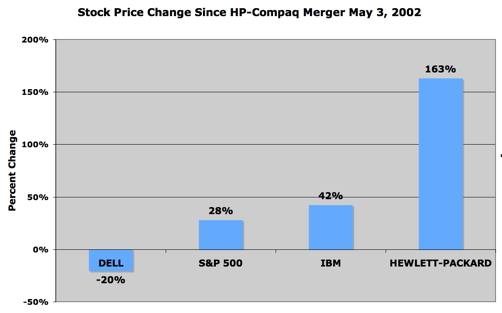
Nothing illustrates the success of the merger better than the chart below. It shows the stock price changes of Dell, IBM and Hewlett since the May 3, 2002, HP-Compaq merger. Dell Computer, once the darling of the business press and industry analysts, has seen its stock price
 drop 20%. The S&P 500 has risen 28% and IBM 42%. Meanwhile, the once-maligned Hewlett-Packard has seen its stock price soar 163%! So much for a lousy merger.
Picture 3

Where did the pundits go wrong? Well, first of all, they’re pundits. “Those who can, do; those who can’t, opine.” Second, they typically apply conventional wisdom (e.g., all big mergers are bad) rather than analytically looking at whether there is a real fit between the two merging companies. And finally, for the initial three years that the merged company was managed by Fiorina and was struggling, the criticism focused on the "folly" of the merger. It’s now clear to all, even to pundits, that the merger wasn't the problem; it was the management. All Hewlett-Packard needed was strong management in order to realize the latent potential of the merged company.

What are the lessons of this story? Well, we might start with this: Generalizations (and conventional wisdom) are not always true (generally speaking). And then this: Technology pundits are about as prescient as political pundits (and we know how good
 they are).

Another lesson: Dell Computer at the time was lauded by analysts and the business press as having
 the best computer industry model, the model for alltime. Now, in hindsight, it seems that the Dell model was the model for a time, not all time -- and that time has long passed.

By the way, we haven’t heard much from Walter Hewlett recently. On the day of the 2001 Hewlett-Packard board meeting that discussed the HP-Compaq merger, Walter was AWOL. Where was he? He was at some musical event playing his cello. My guess is that he is still playing his cello. You might say, then, that “Walter fiddles while HP earns.”

(But will he take a bow?)
Picture 4

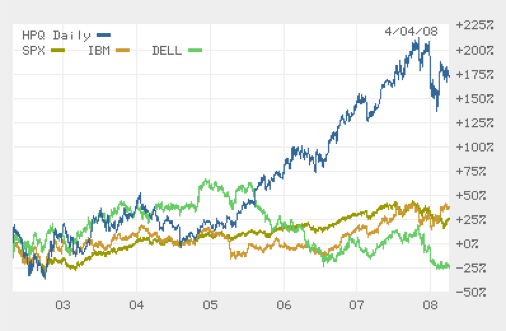
Stock Prices Since HP-Compaq Merger May 3, 2002
(
Hewlett-Packard, IBM, Dell, S&P500)
Tuesday, March 25, 2008

Spin Me to the Moon

Let's see. You're 82 years old, you're the father of the geostationary communications satellite, and you've won medals and honors and prizes all over the world presented by presidents and kings and other ne'er-do-wells. What to do now? Retire? Take up golf? Smell the roses?

The answer, if you're
 Harold Rosen, is none of the above. You look for a new challenge, one that you can solve in a unique way -- more cleverly and at a lower cost than anyone else. Since his so-called retirement some years ago from Hughes Aircraft Company's Space Systems Division (now part of Boeing), Harold barely left his office. He simply changed his title from vice president to consultant, and continues to work on novel satellite systems while waiting for big new challenges to emerge. [Full disclosure -- Harold is my brother.]

Six months ago, it happened. A really big challenge materialized -- the
 Google Lunar X Prize. This international competition is designed to land a robot on the surface of the moon, travel 500 meters over the lunar surface, and send images and data back to Earth. The first team to land on the moon and complete the mission objectives will be awarded $20 million.

As soon as the prize was announced, Harold began putting a team together and devising an elegant solution to the mission. The
Southern California Selene Group (SCSG) has attracted an all-star team of space scientists and engineers, one of whom is Deborah Castleman, a former deputy assistant secretary of defense for communications command and control, and also, by the way, the wife of Harold Rosen.
One of the main objectives of the Lunar X competition is to do privately and inexpensively what the government has been doing for decades for many hundreds of millions of dollars (and tens of billions for manned missions).

The competition has attracted a large number of applicants from around the world. Ten of them were accepted in February by the prize committee, including Harold's SCSG.

So how do you win this Mission Impossible, competing against a worldwide team of talented engineers, and do it at a low cost? The answer lies in history. To get an appreciation of why the Rosen team has a good chance, and maybe even an unfair advantage, we have to go back 50 years to the beginning of the space age.

After Sputnik was launched by the Soviet Union October 4, 1957, many people in the U.S. started thinking about not only how to compete with the Soviets, but what could be done productively in space. About a year later, and inspired by Arthur C. Clarke, Harold came up with the idea of creating a geostationary communications satellite. Clarke was, among other things, a science fiction writer, perhaps best known for writing the screenplay for Stanley Kubrick's movie, "2001."

But Clarke was also a visionary. In a May 1945 article in Wireless World, Clarke proposed a system of the three satellites orbiting at 22,300 miles above the Earth, an altitude that would put their period of revolution around the Earth at 24 hours -- the same period, of course, as the Earth's rotation. As a result, these geosynchronous satellites, if orbiting around the equator, would appear stationary to an observer on earth. This all-important feature would then permit antennas on earth to be fixed and inexpensive, rather than tracking and expensive.

Vision is one thing, but execution is another. Clarke had the vision; Harold set out to realize the vision. There were significant challenges to implementing a geosynchronous satellite. It would have to reach an altitude almost a hundred times higher than Sputnik. And its orbit would have to be, and to stay, precise. So a system had to be developed to keep the satellites from drifting out of their orbit; drift is caused by the earth's non-spherical shape, by solar pressure, and other perturbations. And all important, the signals from the antennas on the satellite had to point continuously to the fixed antennas on earth.

At the time, the conventional way of controlling a satellite's position and orientation was to use a three-axis stabilization system. But the problem with that approach is that it was complex, bulky and expensive for the technology of the 1960s. To solve the problem in an economical and practicable way, Harold conjured up a novel solution, one inspired by the way a quarterback throws a football.

Ever since he was an undergraduate student, Harold was intrigued with the physics of a football pass, and the spin that the quarterback put on the ball. Only when thrown with a spiral was the ball stable in flight. This led to his thinking that if we spin a satellite in orbit, it too would remain stable in its orientation in space. Indeed, this became the hallmark of the first synchronous satellite design. The spinning motion provided the stability needed, while clever spacecraft antenna design kept the signal pointed to the antennas on Earth. When implemented, three geostationary satellites 120 degrees apart could link the entire Earth.

AT&T, by contrast, was championing a more conventional approach -- hundreds of low-altitude satellites that communicated with tracking antennas on Earth. The cost? Astronomical. Each satellite would only be visible 20 minutes, requiring complex handoffs from one satellite and antenna to the next pair. Of course, low cost was not a motivation of AT&T in those days of rate-base regulation, where the higher your rate base, the higher your dollar return.

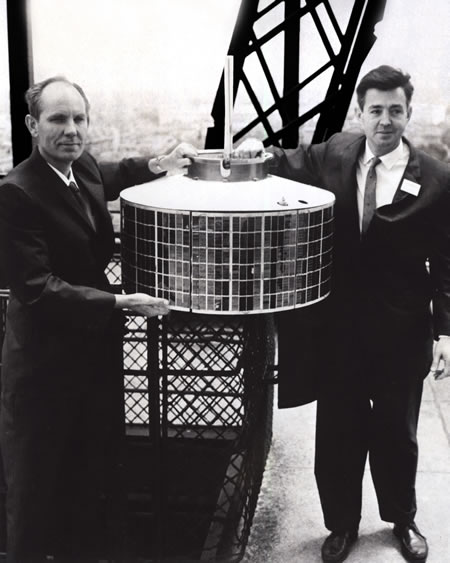
In 1962 successfully launched Hughes Syncom II to compete with AT&T's TelStar . Which would win the battle for communications supremacy -- the geosynchronous or the random orbit? As we now all know, the geosynchronous approach won. The newly created Communications Satellite Corp. selected a Hughes satellite, a follow-on to Syncom II dubbed Early Bird, to usher in the new world of satellite communications in 1963. David had beaten Goliath.

syncom - 1961
Thirty-five-year-old Harold Rosen (right) at an Eiffel Tower presentation in 1961 with a Syncom mock-up. One skeptical attendee said, "Dr. Rosen, this is as high as your satellite will ever go."

Now fast-forward 45 years to the Google Lunar X Prize. The mission is quite different from communication satellites, but the winning solution may have a striking similarity to Syncom.

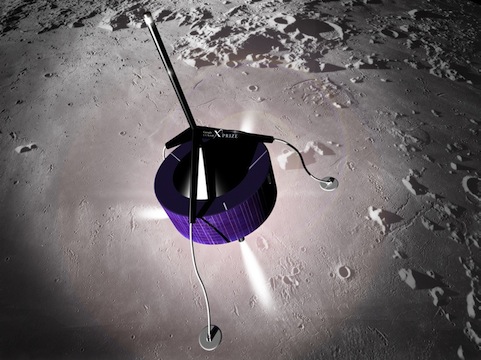
Two of the most difficult problems to solve in this new competition are how to land the payload on the Moon (without crashing) and how to get it to roam on the Moon's surface. In the SCSG approach, the payload that lands on the Moon will be spinning, much as the quarterback spins his spiral pass. On separation from the launch vehicle, the payload spins itself up from the 6 rpm of the launch vehicle's spin to 50 rpm on landing. This spin gives it the stability to land reliably, simply and inexpensively without crashing.

Spinning has other benefits. It simplifies the attitude and orbit control systems, and it creates a more benign thermal environment for the delicate electronics inside the spacecraft.

Once we're on the Moon, how do we roam? The Moon's surface has very few paved roads. Indeed, it is replete with rocks, boulders, crevices, and other unwanted impediments to unfettered locomotion. The conventional approach, both historically and prospectively, has been to use a wheeled vehicle. This, however, can be complex and costly.

The Harold Rosen approach is as imaginative as it is different. The spinning payload, after landing on its spring-like legs on the Moon's surface, continues spinning (the body spins, the legs don't). When it's time to roam, instead of rolling on wheels, it
 hops; a small propellant thrusts it up off the surface; the spinning keeps it stable. Hopping has a big advantage. When approaching obstacles, it can, in the words of a legendary cartoon hero, leap over them in a single bound. SuperHopper!

southern_california_selene_group
Depiction of the Southern California Selene Group's payload landing on the moon. The body is spinning, the springy legs are not.

Last summer, when Harold and Deborah were visiting us in the country, he demonstrated the stability and hopping capability of his proposed system. To do it, he used one of the world's simplest and least expensive models: a skate wheel and two hairpins. I made a brief video of his demonstration, seen below:


Video showing advantages of spin stabilization

There is, by the way, one more non-trivial challenge. To develop the system and to pay for launch-vehicles services, a fair amount of money will have to be raised. Presumably, it will come from sponsors whose interests are not commercial but idealistic. The technical challenges may prove easier to solve.

Winning the Google Lunar X prize is not Harold's only improbable goal in life. He is in training to set the world record for the 100-meter dash -- for 100-year-olds. With 18 years to go, he feels he can easily beat the record set in 2004 by a South African centenarian, Philip "Flying Phil" Rabinowitz, who ran the 100 meters in a world record 30.86 seconds (a Jewish sprinter?).

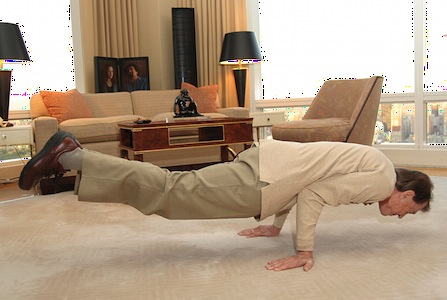
Among his training techniques are Tarzan-like swinging from overhead rings at Muscle Beach in Santa Monica, and practicing a challenging form of yoga. Here's a shot of Harold performing with the yoga peacock. I photographed him doing the peacock last year when he was still a spry 81-year-old.

harold yoga 2
Harold Rosen performing a yoga peacock last year.

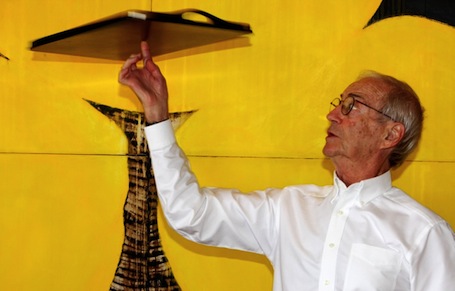
A final note. As brothers, we seem to be attracted to spinning objects. With Harold, it's spinning footballs, satellites, and lunar landers. With me, it's trays. While a member of the Fleming House Waiters Union as a Caltech undergrad in the early 50s, I became proficient at spinning trays on my finger. I'd like to think that Harold got his inspiration for spin-stabilized satellites from his brother rather than from a football, but he'll never admit to it.

Tray balance
Ben Rosen spinning a tray -- his version of the origin of spin-stabilized satellites and lunar landers.


Tuesday, March 11, 2008

Letter from North Korea -- Part 4

North Korea is a country with whom we’ve technically been at war since 1950. It’s a country that lost close to a million people to famine in the late 1990s. A country that prohibits its populace from contact with the outside world. International TV, travel, cell phones and the Internet are denied them. It’s critically short of food, energy, and most of the trappings of modern life. It has a nascent, and potentially threating, nuclear arms capability. Perhaps 150,000 of its citizens are political prisoners. "Why North Korea Will Not Change" is the subtitle of an article in the current issue of Foreign AffairsAnd, oh, by the way, as a reminder of the government’s absolute and repressive control, last week (just days after we left the country) it publicly executed 15 people, including 13 women, who tried to escape to China.

Yes, this is the same country that the Philharmonic group
 visited in late February, a trip that was marked by an unprecedented burst of worldwide television and press exposure. It’s the same country that received us so graciously, applauded our performances and reciprocated with charming musical and dance performances of their own.

Those of us who participated in this visit hope that the North Korean invitation, and our acceptance, represent a start to a process of normalizing relations. And as I discovered while there, there may be another more tangible step toward normalization that is just beginning.


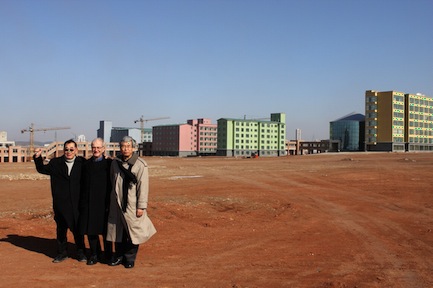
Toward the end of the 48-hour Philharmonic trip, I learned about a new university being built in North Korea -- the Pyongyang University of Science and Technology (PUST). Under construction for seven years, it is scheduled to open in September.

IMG_0150
PUST President Chin Kyung Kim, Ben Rosen, Vice President David Kim

Now, there are a number of universities in North Korea already, so what makes this one special? In the words of Elizabeth Barrett Browning, let me count the ways.

The first private university: Until now, all education has been state-sponsored. By contrast, PUST has raised about $35 million, all from outside the country. Most of the money comes from Korean Christian groups – churches, foundations and individuals -- in South Korea and Korean expat communities, including the United States.

English language: Courses will be taught in English. Textbooks will be in English. Another pair of firsts.

Internet availability: Normally proscribed throughout North Korea (except for an occasional visiting Philharmonic group and the like), Internet access will be available campus-wide. This in itself is almost a revolutionary event.

International faculty: Realizing that the requisite talent for science and technology pedagogy and lies outside North Korea, most of the professors will be recruited from South Korea and elsewhere. The majority are likely to be of Korean descent.

The guiding force behind PUST is
 Chin Kyung Kim, or James, as he’s familiarly known. Originally South Korean, he also carries a U.S. passport and has lived and worked in Silicon Valley and Florida. About 15 years ago he started the Yanbian University of Science and Technology in northeastern China, near the Korean border. PUST is being modeled on Yanbian, which has turned out to be quite a success and has caught the attention of the North Korean government. A large part of Yanbian’s students are North Korean. The Yanbian formula – English language and multinational faculty – is at the core of PUST.

The mission of the new university is certainly grand. In James’s words:

“Above all, this will be the meeting place where two opposing ideologies can come together and learn from each other and form a middle ground which can prove a passage to unification. It will also be a place where the North Korean leaders can be exposed naturally to the world market economy thereby attaining an easy understanding.”

James himself is, to say the least, a colorful character. He is a Ph.D economist who is deeply religious, entrepreneurial, and outspoken to a fault. This last characteristic has caused him no end of grief, and almost cost him his life.

About ten years ago, because of some criticism of his of North Korean government policy, he was imprisoned as a spy and sentenced to death. Told to prepare his last will, he eloquently wrote of his willingness to die for the Korean people. It so moved Kim Jong Il that he freed James. What’s more, James then got permission from the Dear Leader to create his dream university in Pyongyang. And a government grant of 250 acres for the campus. And the use of 800 soldiers to do the construction. And the permission for English-language instruction, Internet use and an international faculty.

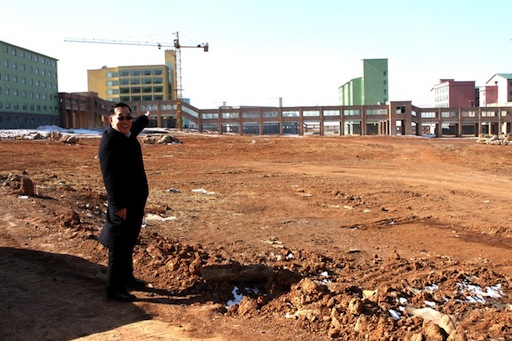
IMG_0159IMG_0167
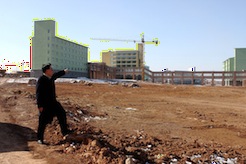
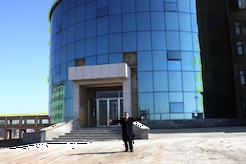
President Chin Kyung Kim at the university construction site

I met and talked with several other people involved in PUST. David Kim, a vice president of the university, is another South Korean with an American passport and a Ph.D. in mechanical engineering from the University of California Berkeley.

Iara Lee, a film-maker of Korean descent who was raised in Brazil and lives in Iran, is on the board of PUST. She and her American husband are patrons of the Philharmonic and were on the tour with me. Iara is the one who introduced me to James and David at breakfast in Pyongyang.

Subsequently, on our return, I spoke by telephone with a co-chairman of PUST’s founding committee,
 Malcolm Gillis. Dr. Gillis is a past president of Rice University, a former adviser to the South Korean government, and is a staunch supporter of Pyongyang University’s mission.

After a May 2008 opening ceremony, the first students will matriculate this fall. Initially, PUST will have about 150 graduate students in information technology and communications (ironic, no?), agriculture (equally ironic) and industrial management (a hat-trick in irony). Here’s a country that has little communication with the outside world, a shambles of an agricultural sector, and little industry to manage – starting a graduate school to teach all three disciplines.

In a few years, they hope to reach 600 grad students and 2,000 undergrads. The initial faculty of 40 is planned to expand in four years to 250.

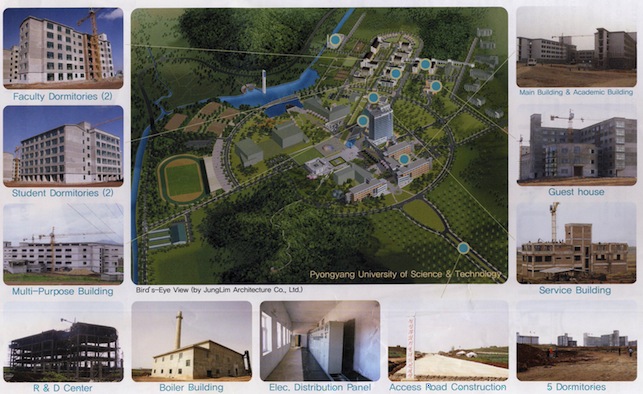
To date, 18 buildings have been built, and the campus is taking shape. There is still a severe shortage of equipment, particularly computers and communications gear. And more money has to be raised. But seeing how much James and his associates have achieved so far in such difficult circumstances, and judging also by the success of Yanbian University, it’s hard to believe that his dream won’t be realized.

Pyongyang University of Science and Technology is unlike anything else I’m aware in postwar North Korea. It’s being built in self-interest, but has the chance to be a bridge to the community of nations. It will bestow a cadre of elite students with a window to the outside world, a window that is closed to the rest of the population. It will create a new generation of technocrats with the potential to lead a post-Kim Jong Il government.

Whether this newly enlightened group can be a spark plug for modernization and a force for normalized relations remain to be seen. But it’s an encouraging start. And we have to start somewhere.

In February it started with music. In September, it will be technology’s turn.

PUST campus
Pyongyang University of of Science and Technology campus


Sunday, March 2, 2008

Letter from North Korea -- Part 3

Here I am, sitting at my computer in our comfortable apartment in Manhattan, looking at the beautiful skyline and Central Park. Yet just a few days ago, unbelievably, we were in North Korea, a country that comedians might describe as Albania without the glitz. Except that North Korea is no laughing matter.

True, we were very well treated during our 48-hour stay in Pyongyang. Our rooms were well heated, the electricity stayed on, the dinner banquets were sumptuous, and the folk music concert and children’s performances were expertly done. Except for the full-time presence of minders, who didn’t tolerate straying from the strictly prescribed itinerary or timetable, the hosts were quite gracious. But there were no visits to the countryside, few casual conversations with ordinary citizens, and no invitations to anyone’s home.

What we visitors and musicians and press experienced is Pyongyang is far from representative of the way that typical North Koreans live. It’s a totalitarian country, they have a nuclear capability, and they are saber-rattling. The 23 million people have little freedom, many are hungry, energy is in short supply, and almost no one has any knowledge of or contact with the outside world. Yet just 120 miles from Pyongyang lies Seoul, capital of one of the world’s most vibrant economies. But as far as North Koreans are concerned, it could be on the moon.

There are three television channels, all with North Korean programming. No cable, no satellite dishes, no CNN (except in a few hotels for foreigners). No Internet access. No free press. Essentially no foreign travel is allowed. And families of citizens defecting to other countries are severely treated, to say the least.

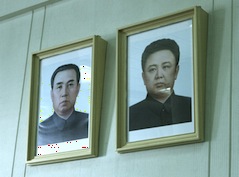
The cult of personality is taken to an unimaginable level. Likenesses of Kim Jong Il, the “Dear Leader,” and his late father, Kim Il Sung, the “Great Leader,” are everywhere.

Kim, Kimwritings
Kim Il Sung and Kim Jong Il and their written works


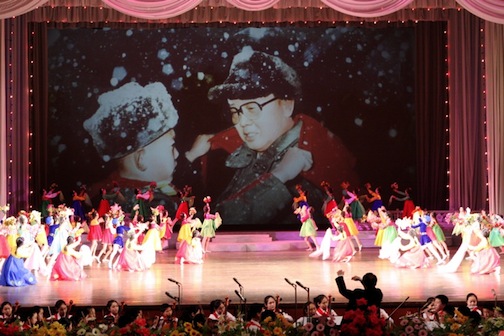
Kim looking
Finale of the children's performance -- guess who's watching


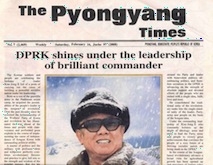
Pyongyang Times

Their writings are regarded as gospel. Newspapers report Kim Jong Il’s comings and goings as the most important news of the day, every day. All cultural events end with tributes to the Dear Leader. A professor that our group talked with at the Grand People’s Study House was asked to name history’s greatest philosophers. His reply: among ancient philosophers, Aristotle; among contemporary philosophers, Kim Jong Il.

But there are a few glimmers of hope. I don’t title my blog “Through Rosen-colored Glasses” for nothing.

First, the very fact that the Philharmonic concert happened at all. Not only did 200 hundred Americans descend on Pyongyang en masse (many more than are typically allowed in the country in a year), but we were accompanied by over 60 members of the world press swelled by a huge contingent of South Korean media. Altogether, we almost overwhelmed our minders (but not quite).
Minder 1Minder 2Minder 3
Minders for the patrons and board members

Second, most of the North Koreans we met had never seen or talked with an American. And none of us had ever met with a North Korean. At each evening’s banquets, there were opportunities to have conversations with our hosts that went beyond just the amenities. And some of the conversations gave us hope. Some talked about aspirations, frustrations, families, and hopes for meeting again in the future.

Third, the reaction to the Philharmonic concert, which has been widely reported worldwide, had to be experienced to be believed. The audience was made up of the favored elite. They were all in their black suits, white shirts, dark ties, and Kim Il Sung lapel pins. They were listening to a type of music that most of them had never heard. Yet as the program progressed from Wagner to Dvorak to Gershwin to Bizet to Bernstein, the enthusiasm of the audience grew palpably. And then, after the concluding Korean folk tune, Arirang, there were prolonged standing ovations, hand-waving, and visible emotion from both the attendees and the orchestra members. It was the only part of our visit that wasn’t scripted. It was genuine, it was from the heart, and it represented a start to bridge-building.

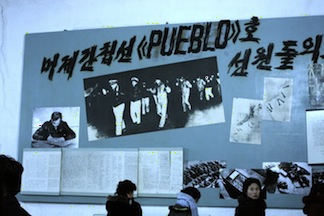
Pueblo

Fourth, since last fall, the once ubiquitous anti-American posters have been largely removed from the streets. The War Museum, however, is still devoted almost entirely to the duplicity, iniquity and war-mongering of the United States. The 1968 Pueblo incident (right) stills commands major attention.

Fifth, eventually there will be regime change. Not necessarily of the Iraq variety, but at some point the 66-year-old Kim Jong Il will move on to that Great Stalinist State in the Sky. The question that no one seems to know is who his successor will be. Little is known in the country about his eldest son, Kim Jong Nam, 37, including where he lives. The military is always a possibility to take over after the Dear Leader goes, and their posture is unpredictable (as is almost everything about North Korea). So we face a leadership change at some time in the future and of uncertain direction; I guess that’s not overly helpful, but may be something to cling to.

Finally, my biggest ray of hope stemming from the trip came about from an unscripted meeting. Shortly before leaving for the airport, I visited a radically conceived new technical university that’s in its final construction phase. What makes the Pyongyang University of Science and Technology radical? Well, how about this: textbooks will be in English, instruction will be in English, the faculty will be international, and the university will be connected to the Internet! English books and instruction from foreign professors? Internet connection? In North Korea? In 2008? This development is so important and possibly game-changing that I’m devoting my next posting to it.

PUST 1
Pyongyang University of Science and Technology construction site

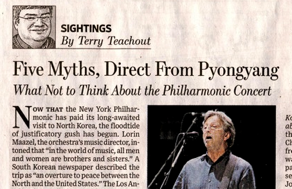
Almost everyone in the U.S., including our State Department, felt that the visit was a good idea. But the Wall Street Journal’s theater critic, Terry Teachout, has been the most prominent opponent of the holding such a concert in a totalitarian country. He was negative before the event and contemptuous after. In this Saturday’s paper, he expanded on his earlier diatribe, and at greater length.

teachout

I understand where he’s coming from, but I disagreed with him before and I disagree even more now. Diplomacy is not black and white, nor is the world. Somewhere in that vast gray area between the extremes we have to find ways to build bridges between adversaries, and then to hope that these bridges will lead to some improvement in relations.

Anthony Tommasini, the chief music critic of the New York Times, who didn’t make the trip (though the Times was well represented by other of its journalists), began his review of the broadcast with: “It would have been fascinating to attend the New York Philharmonic’s concert at the East Pyongyang Grand Theater in North Korea.” Yes, it was fascinating, it was indelible, and our fondest hope is that it was historic -- for the right reasons.

One of the hot speculations on the trip was why neither Condoleezza Rice nor Kim Jong Il attended the Philharmonic concert. As to Condy, she was at the inauguration of South Korea’s new president, Lee Myung-bak, in Seoul on Monday. It would have been easy enough to traverse the 120 miles to Pyongyang in plenty of time for the Tuesday evening performance. The best explanation we heard is that she has to fight Dick Cheney every day over something, and that adding a somewhat controversial and unscheduled visit like this just wasn’t worth the effort. As to the Dear Leader’s absence, the likely reason is that no one at a high level from the American government was in attendance. And face is important. But imagine if they both were there! Now
 that would have been interesting. Maybe even more interesting than an American orchestra’s playing the North Korean national anthem.

There were no lack of poignant experiences. Three that stick out. First, our hotel rooms were not only heated, they were broiling hot. All that fuel to comfort us while much of the country shivers.

Dinner table

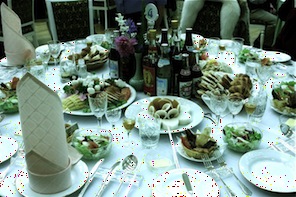
Second, all the meals we had were lavish -- too many dishes, too much quantity, even at breakfast. Huge spreads. It reminded me of a Park Avenue bar mitzvah. (More though the quantity than the quality.) All this in a country where millions have died in famines.


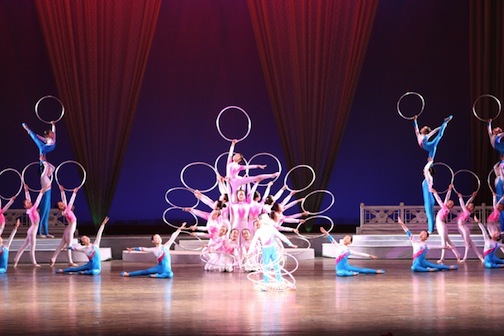
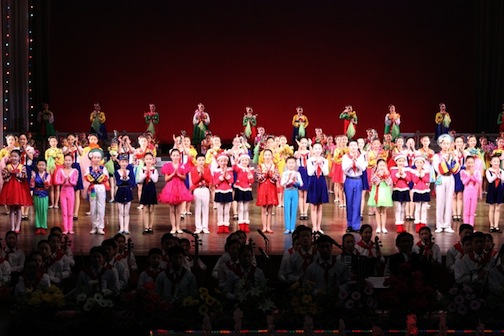
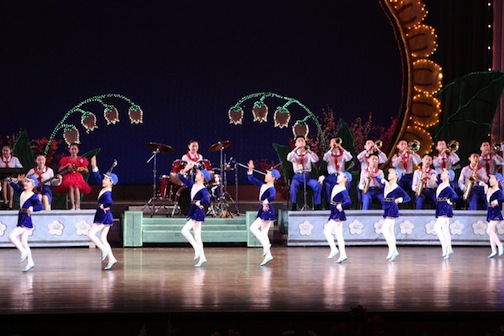
Third, watching the children sing and dance was heart-breaking. Their numbers were perfectly executed, the costumes splendid, and their smiles infectious. But throughout their performances, we just couldn’t keep thinking about the depressing futures these kids faced in this ever-so-sad society.
Hula hoops

Finale

Rockettes


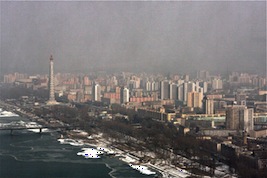
Skyline

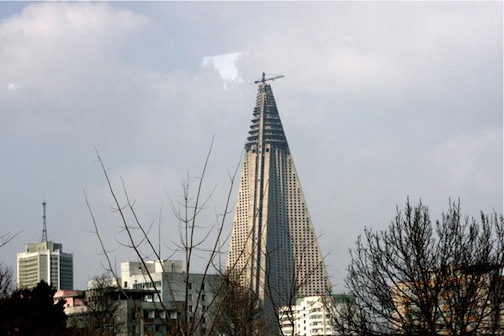
The skyline in Pyongyang were a surprise. I hadn’t expected as many high-rises. The most fascinating structure we saw was a pyramidal skyscraper hotel visible from all over Pyongyang. Construction started many years ago but is not finished. And it may never be finished. Our minders were clueless as to providing any information about it, but we did learn that it is structurally unsound and will probably never be occupied. And never taken down. It just sits there, topped off by a crane that they can’t seem to remove. As the New Yorker used to headline the occasional oriental blurb: The Mysterious East.
Pyramid


For you movie fans out there, we were astonished to learn that there is a biennial Pyongyang Film Festival. As you might expect, it features films from “non-aligned and other developing countries.” As one blogger who attended a few years ago wrote, the festival offers no skin, no stars and no schmoozing. We’ll pass.


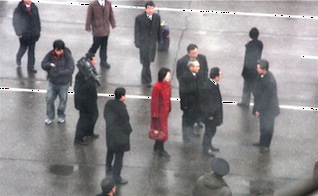
The biggest mystery to me was, who was
 
Lady in Red
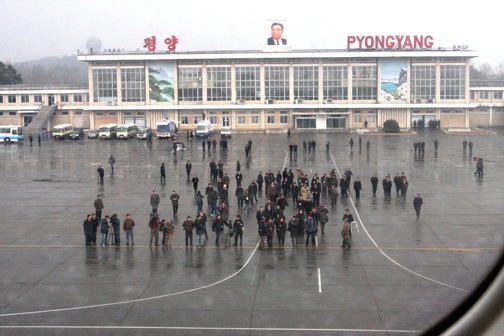
The Woman in Red? As we were landing in Pyongyang and taxiing to a stop, I photographed the welcoming delegation. There, standing in the middle of a sea of men garbed uniformly in black was The Woman in Red. Who was she? Why was she in red? And why, after deplaning, was she nowhere to be seen? Another example of The Mysterious East.

Biggest disappointment to me? One of the most esteemed (and oldest) cultural institutions in New York City made an unprecedented visit to an adversary country, an event with international implications. Whatever history says about the trip, it was certainly one of the major non-Britney press events of the last year. The Philharmonic proudly represented New York City and New York State, and received accolades and adulation. The performance was televised around the world.

Well, as a board member of the Philharmonic, I’m chagrinned that not a word of support or congratulation or “hey, well done, Philharmonic” has yet come forth from our mayor, our governor, or either senator (well, one of them has been a little preoccupied of late). You know, it’s fine to give tickertape parades to football teams (especially since the winning quarterback went to my high school in New Orleans), but I don’t think the Giants’ win is going to help make the world any less divided. So how about it, Mr. Mayor, Mr. Governor, Mr./Ms. Senator? If not a tickertape parade, how about just a congratulatory telegram, or maybe just come see us at our next concert? The music ain’t bad.

Two final and contrasting images of North Korea I remember:

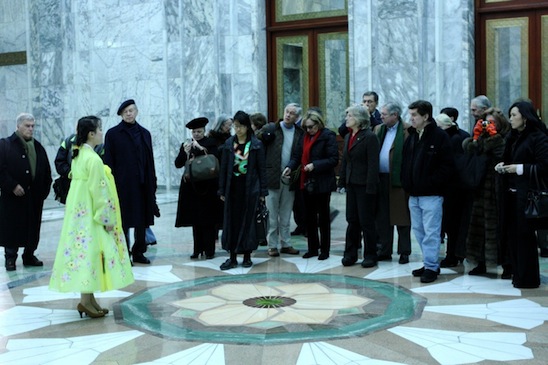
guide
The elegantly dressed guides in schools and museums

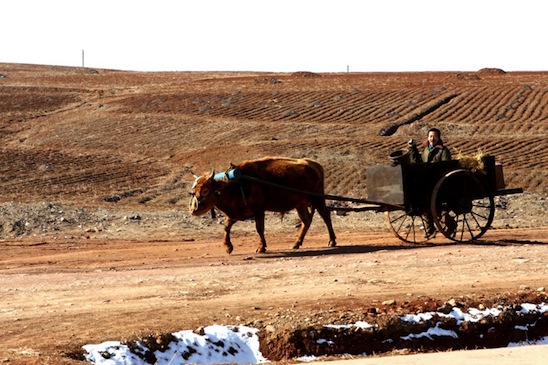
Cart
It's still a third-world country in many ways

Wednesday, February 27, 2008

Letter from North Korea -- Part 2

After months of anticipation, we landed 36 hours ago in Pyongyang, North Korea. The purpose? Ostensibly, to attend the New York Philharmonic concert at the invitation of the North Korean Ministry of Culture. But the real reason was to witness history.
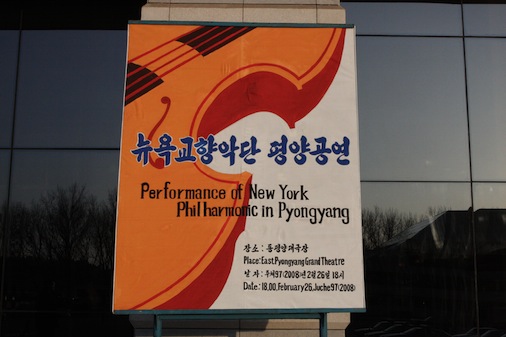
nyphil sign

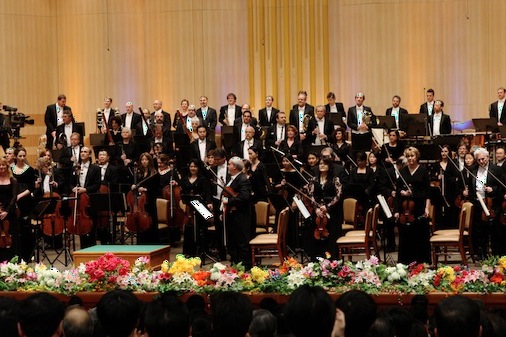
orch
As to the concert, it was a stunning success – musically, emotionally, and politically. The invited audience heard one of the world’s finest orchestras play at its highest level, and with an enthusiasm that one rarely experiences at its Lincoln Center subscription performances. Leading off with both nation’s national anthems and concluding with a traditional folk song from Korea (North and South), the program evoked a surprisingly emotional response from both the audience and the orchestra.

The normally non-demonstrative North Koreans stood up and gave the performers a prolonged ovation, and one then began waving their hands. The orchestra, in turn, which usually leaves the stage promptly, lingered on the stage and reciprocated by waving back at the audience. Now tell me, how many times have you seen
 that at a classical concert?

As to the reaction of the board members and patrons in the audience, many a tear was shed. And a number of the musicians told us after at the gala dinner that they, too, were emotionally affected. It was a night to remember.

Which leads us to the second issue: Will history also remember the night? Can a musical event have any influence on bringing together two nations that have no diplomatic relations have technically been at war since 1950? Can a concert conceivably have any impact on the six-party talks that are attempting to get North Korea to give up its nuclear weapons?

We were encouraged by a discussion we had this evening with a high-level adviser to the talks who happened to attend both yesterday’s inauguration of Lee Myung-bak as South Korea’s new president and tonight’s Philharmonic concert. He had three points to make. First, the parties are beginning to realize that it is likelier to reach an agreement in this final year of the Bush administration than to wait for a new president in 2009 to get up to speed on this exceedingly complex and delicate negotiation. This belief is predicated on the administration’s renewed desire and preliminary efforts to make it happen.

Second, President Lee’s inaugural address was much more conciliatory toward North Korea than suggested by the conservative president’s prior hawkish position.

And finally, this observer said that what the talks need now are a tipping point, one that will be brought about by the opposing parties’ reducing their distrust of each other. He feels the concert tonight could help bring about that reduction. The good will demonstrated by the North Korean government – they really pulled out all stops – and the support of our State Department could be meaningful harbingers.

North Korea giving up nuclear arms? The U.S. and North Korea resuming diplomatic relations? Can it happen? Yes. Will it happen? To be continued.
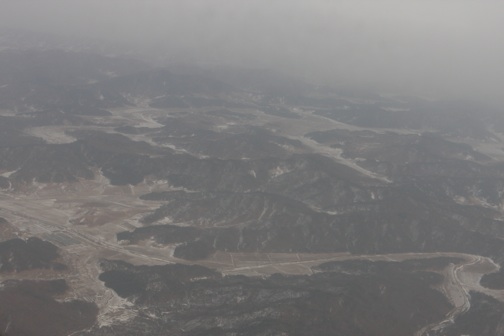
nk view air
Last look at North Korea as we headed home


Tuesday, February 26, 2008

Letter from North Korea -- Part 1


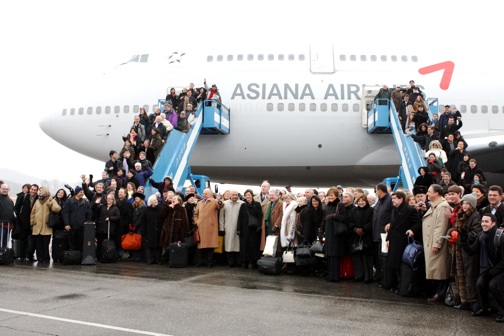
The flight from Beijing lasted only one hour twelve minutes, but it took us into a different world. We flew in a chartered 747 (provided gratis by Asiana Airlines). There were 260 of us – the musicians from the New York Philharmonic, orchestra staff, board members, patrons, and 60 members of the world media with cameras and microphones at the ready.

Arriving at Pyongyang airport was hard to describe. In one sense, it was terribly exciting. So few Americans have been here since the armistice of 1953 ended the Korean war. So little is known about the country and its people, given their choice to remain a closed society. So few North Koreans have been allowed to travel. The country, and its actions since 1950, have been a mystery to the Western world.
welcoming delegation
Welcoming delegation

deplaning
Orchestra, staff, board members, patrons disembarking

And yet there was apprehension. We’re still at war with North Korea; no peace treaty has been signed. It has the fourth largest standing army in the world, a country of just 23 or so million people. Much of the army is stationed within a short distance of the DMZ.

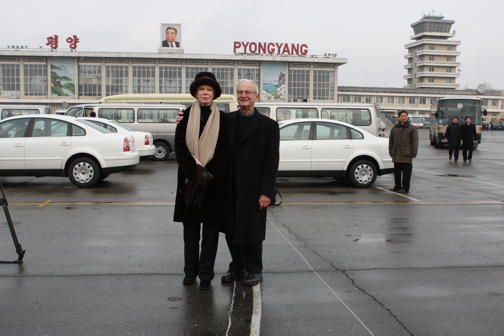
As the plane came to a stop on the tarmac, the sight out the window was memorable. A large welcoming contingent was waiting. A large picture of Kim Il Sung, the Great Leader, adorned the terminal building. A sign said, “Pyongyang Airport.” We were actually in North Korea.
BR & DKR
Donna and Ben on arrival

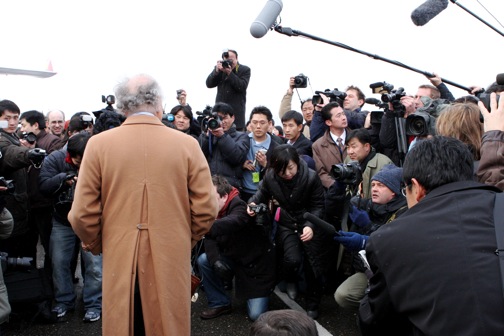
After we disembarked, there was a chaotic scene, with the local and international media competing for pictures and interviews with Maestro Loren Maazel and the musicians. Cameras and microphones were flying.
press maina
Maazel meets press on the tarmac

While at the airport, there was no incoming or outgoing aircraft traffic. Very few – probably only ten – planes were on the tarmac. It’s not a very busy airport, to say the least.. It was surreal.

About 30 minutes later, we boarded buses for the 25-minute trip to downtown Pyongyang and our hotel The drive to the hotel, with the roads virtually empty of vehicles and few people spotted along the way, was another surreal experience.

In town, there was a little more activity, but not much. The hotel that the board members and patrons are staying in is adequate – maybe two or three stars – but functional. Warnings we heard the day before that occasionally the power or heat goes out have proved unfounded – so far.

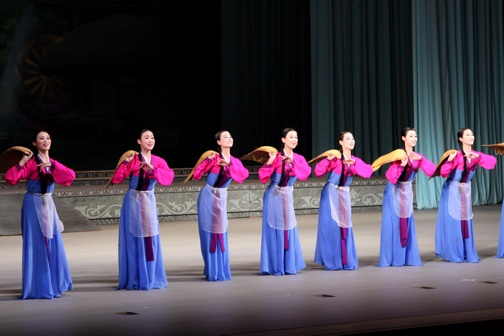
In the evening, we all attended a special concert of traditional Korean music and dance in a quite attractive modern hall.
dancers 1
Traditional Korean folk music and dance

After that, we were treated to a fancy dinner (kimchi included, of course) in a grand ballroom. At each table were a few North Korean dignitaries, scholars, and unidentified others, all of whom spoke English, though to varying degrees.

We were lucky at our table. We were able to have a remarkably frank two-hour-long discussion with our hosts on a wide variety of topics. It wasn’t what we were led to expect.

Also unexpected was the ability to photograph so freely. Although warned ahead of time by a Western diplomat posted in Pyongyang about their sensitivity to photographs, I was able to shoot freely with both my still and video cameras. And there was no problem bringing computers in. On the other hand, cell phones are a no-no, and were not allowed in.

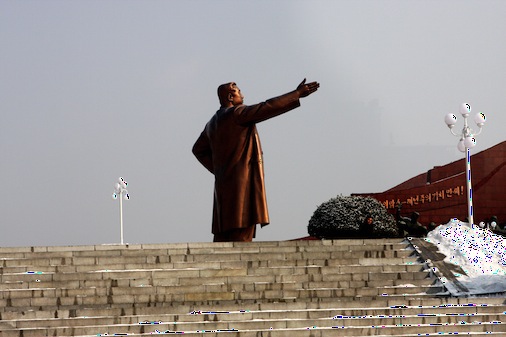
Today, we visited several sights that our hosts wanted to us to see. First was the giant bronze statue of Kim Il Sung that overlooks the city. Waiting for our arrival was a local TV crew, cameras at the ready. Before leaving the bus, our minders (who are with us 24x7) asked us to lay a wreath at the statue. We declined. A stand-off. No wreath, no getting off the bus to take close-up pictures.

statue 2
Giant statue of Kim Il Sung

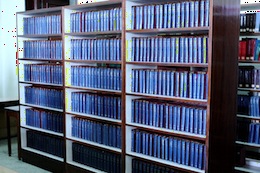
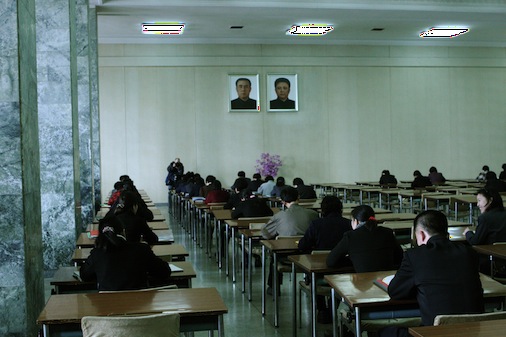
So we drove on to our next destination, the Grand People’s Study House. Now this was a wondrous experience. The Study House has classroom after classroom filled with students studying, among other subjects, the written works of the Great Leader (Kim Il Sung) and the Dear Leader (Kim Jong Il). Thousands of volumes are claimed to have been written by them and are in the classrooms.


students,kims
Classroom at the Great People's Study House

During our visits to the classrooms, all the students were perfectly dressed, completely attentive to their teachers, and did not once look away from their teacher or their desk. Mind you, press and patrons were swarming all around them, and not one of them ever looked up at these people who were disrupting their classes. They looked robotic, Orwellian.

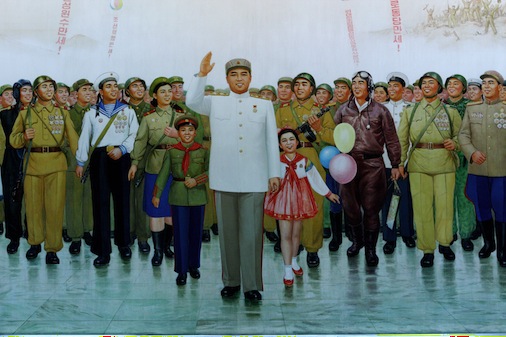
Our third visit of interest was to the War Museum. Guess which war, and guess who started it. You may be unaware of the real facts, which we finally learned today, proving that it was the South Koreans and United States who invaded North Korea in 1950. And they have the documents to prove it!
mural 2
Mural at War Museum


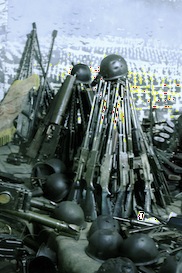
captured arms

The primary displays were of captured and destroyed American arms from the war – artillery, tanks, aircraft, guns. Also prominent was the handwritten “confession” of the captain of the U.S.S. Pueblo, as well as a later “confession” of an American helicopter pilot captured in 1994. What struck me was that the key language in both confessions – made some 28 years apart – was word-for-word identical. What a coincidence!

On the bus after the visit, my minder asked me what I thought of the museum. I told him that the museum’s version of the start of the war sharply deviates from our view. He replied, “Our view is correct because we have the documents to prove it.”

All three of these sites had heavy youth attendance or participation. Therein lies one of the long-term problems in effecting any rapprochement with North Korea. Even if the Philharmonic visit helps build the first bridge to understanding, we still have the issue of dealing with a population that has been educated to follow a party line and has so little in common with our views of the world.

Some brief observations:

A nine-hole golf course adjoins one of our hotels. A golf course in the Democratic People’s Republic of Korea! Who woulda thunk it? Two of the orchestra members played a round today, light snow notwithstanding. And there’s an 18-hole course an hour or so away.

subway esc

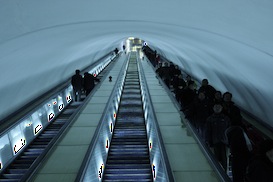
We traveled one stop on the Metro. The main highlight was the escalator access – it must be one of the longest anywhere. Otherwise, a Metro’s a Metro.

We drove by a major department store, one with the imaginative name of “Department Store Number 1.”

Virtually every male North Korean we met sported a Kim Il sung lapel pin on a black suit with a white shirt. Every one.

There are not a lot of lights on at night. It is very dark driving around town after dark in both commercial and residential districts.
traffic 1

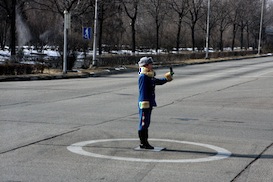
There are few traffic lights at intersections to regulate the few cars on the road. There are, however, a multitude of attractive female traffic directors who stand in a small circle at key intersections to do manage the traffic flow. And they do it with precision arm movements that are a delight to watch.

sign 2

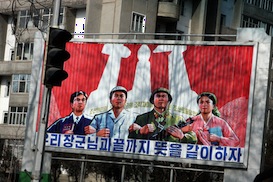
Patriotic signs are still ubiquitous. But in the fall, the goverment began removing the overtly anti-American signs from the streets. (Unlike the War Museum, where we are still depicted as the enemy ad nauseum.)

Later today, we depart for the United States. We’re exhilarated, exhausted (we left home three weeks ago), and optimistic. Just what one would expect of someone who looks at the world through Rosen-colored glasses


Sunday, February 24, 2008

Pre-Pyongyang: Japan and China

After two weeks in Japan and China, we leave tomorrow for North Korea. The "we" includes about 260 New York Philharmonic orchestra members, staff, board members, patrons and international media. Today, I'm blogging from Beijing. Tomorrow, from Pyongyang.

In the last week, we've attended Philharmonic concerts in Shanghai and Beijing. On Tuesday, the concert will be in Pyongyang. The Ping Pong diplomacy of 1971 may -- or may not -- be emulated by the Philharmonic diplomacy of 2008. Nixon visited China in 1972. Will our new president visit North Korea in 2009? The pundits will have fun with that one for months to come. But in the meantime, Donna, I and the other 258 visitors are in for an experience that we'll not soon forget.

Prior to our arriving in China, we spent a week in Japan. So before we get to the serious stuff in our next blog, here are some random photographic impressions of our stays in Tokyo, Kyoto, Shanghai and Beijing.


arch1
Tokyo architecture gets groovy


noodle house
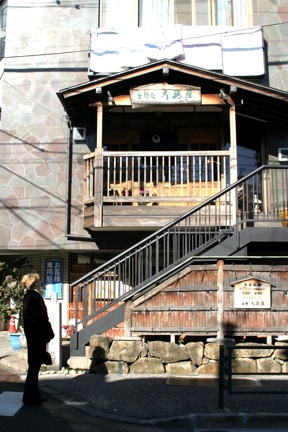
Where we ate noodles in Tokyo -- different architecture


fuji
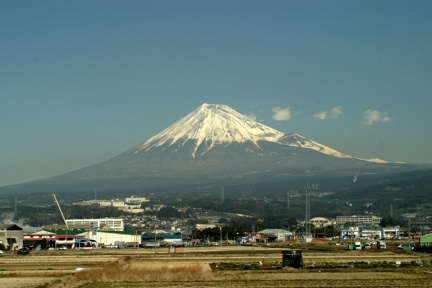
Famous mountain shot from the bullet train on the way to Kyoto


overhead wires
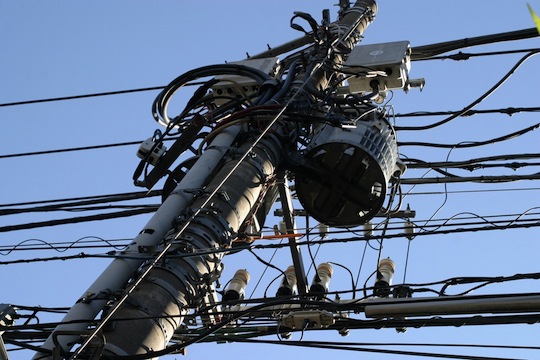
Kyoto is beautiful -- in parts. Underground wiring is not yet widespread


temple
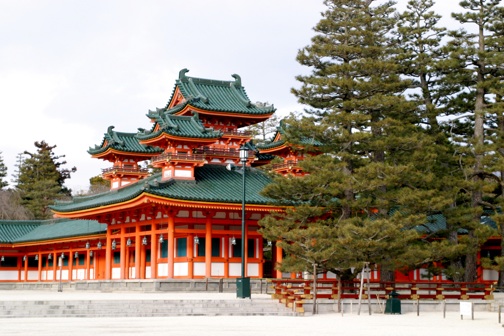
Kyoto temple


miho1
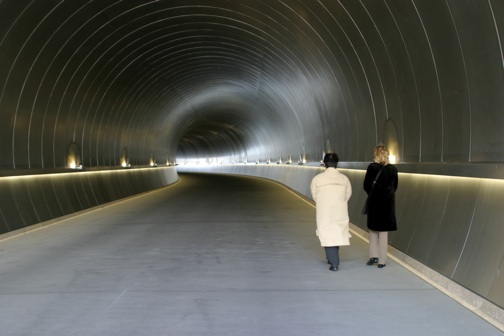
Pedestrian tunnel to I. M. Pei's Miho Museum in Kyoto


miho2
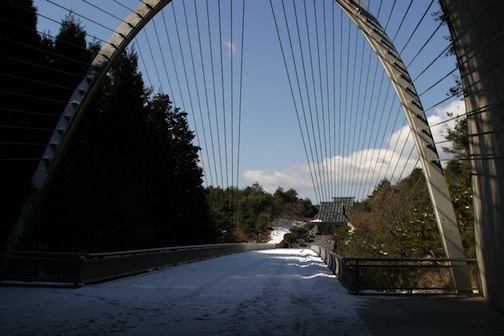
Bridge at the end of the tunnel


miho3
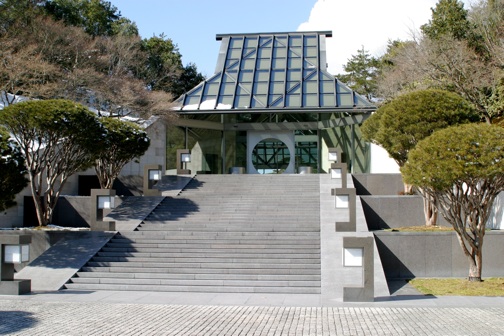
Entrance to the museum


miho4
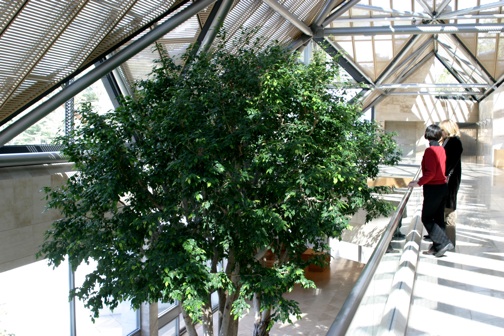
Inside the museum


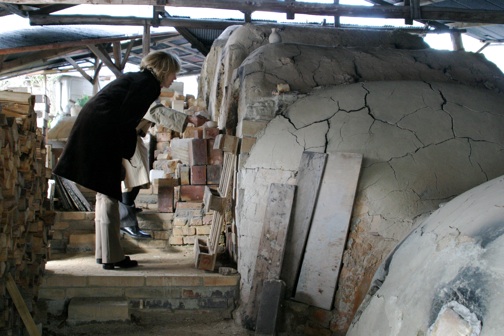
kiln
Donna inspecting kiln at ceramist's studio


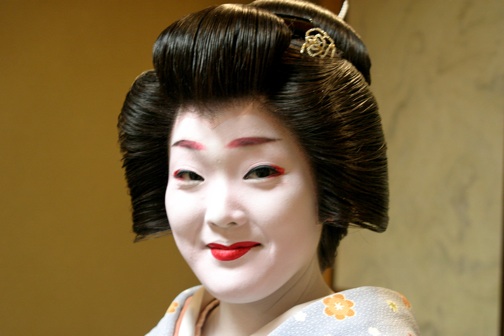
geisha1
Geisha who entertained us at dinner in Kyoto


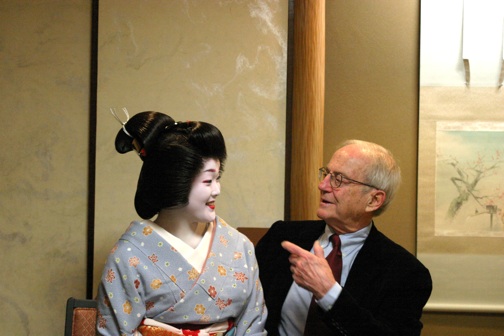
geisha2
She was a very appreciative audience


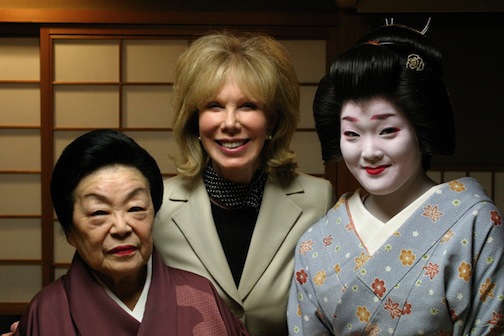
geisha3
All geishas are not created equal -- the one on the left is the musician


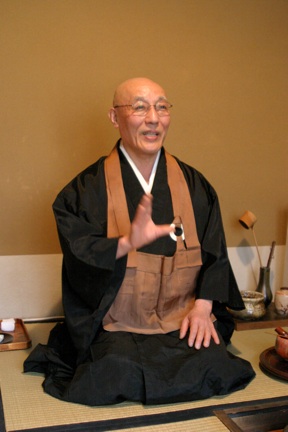
zen master
Our Zen Master


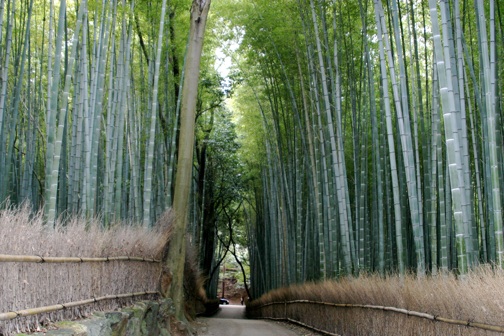
bamboo1
Gorgeous bamboo forest in Kyoto


bamboo2
More bamboo


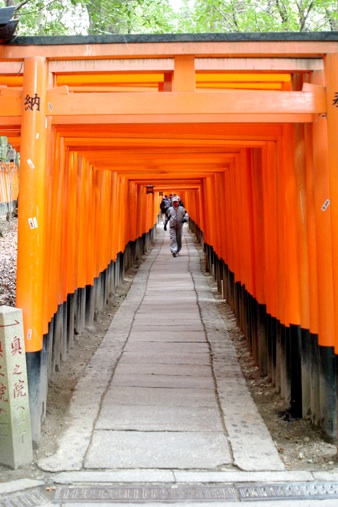
gates1
Shinto gates -- many thousands of them


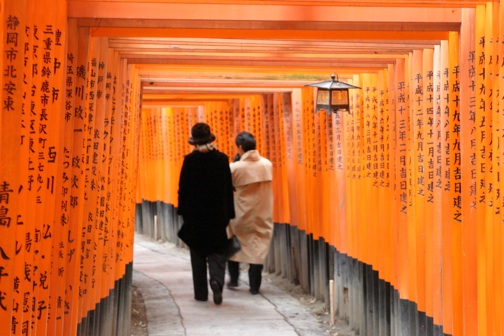
gates2
Do these gates remind you of a recent public art work in Central Park?

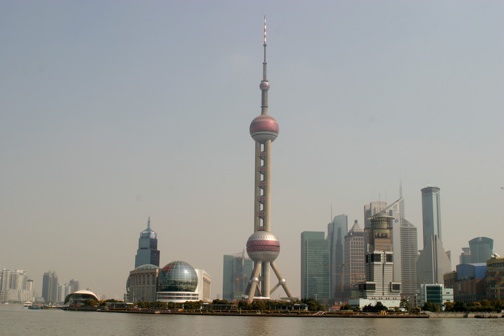
new1
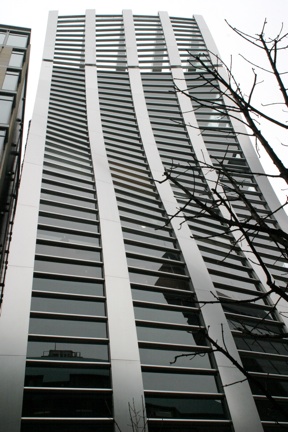
Contemporary Shanghai architecture

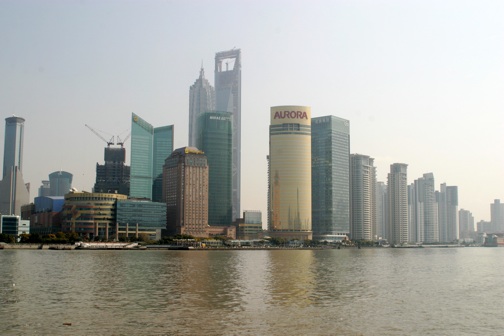
new2
And more

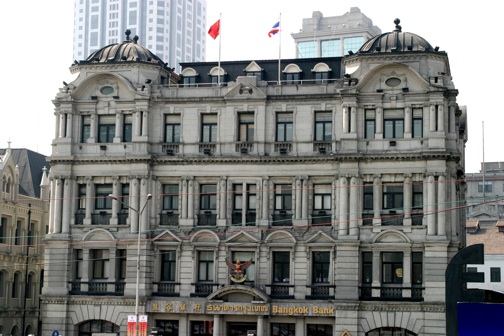
old1
The beautiful old architecture of the Shanghai Bund

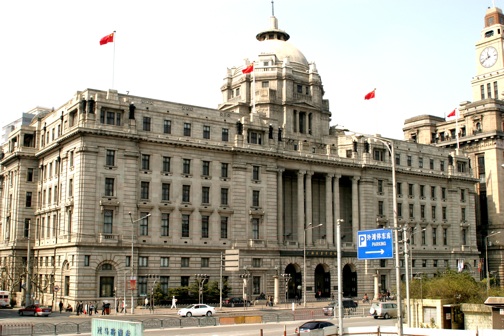
old2
And more

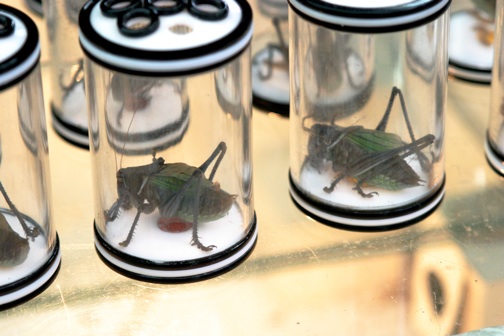
crickets1
Crickets bred for fighting at the cricket market in Shanghai

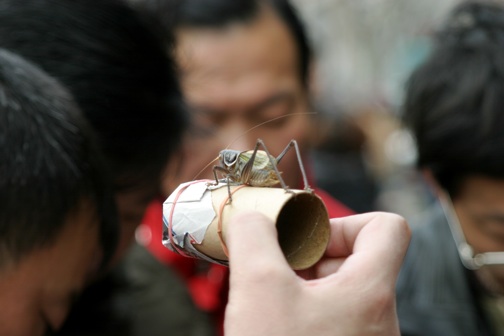
crickets2
A champ gets a closer inspection

worms
And food for the other critters sold in the cricket market


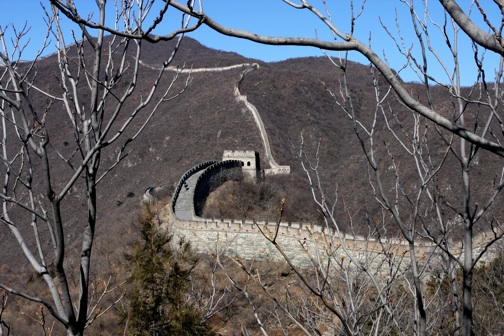
gw1
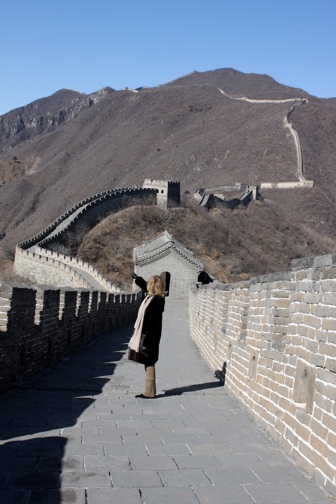
Famous large wall outside Beijing

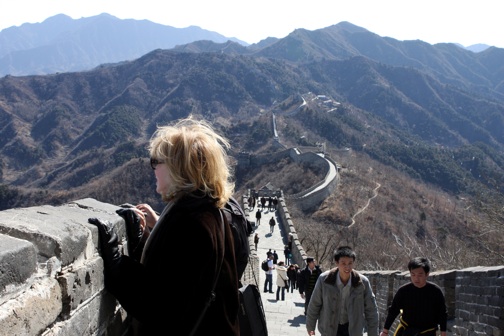
gw2
Donna checking for approaching Mongol hordes

gw3
She may have spotted one

templeheaven
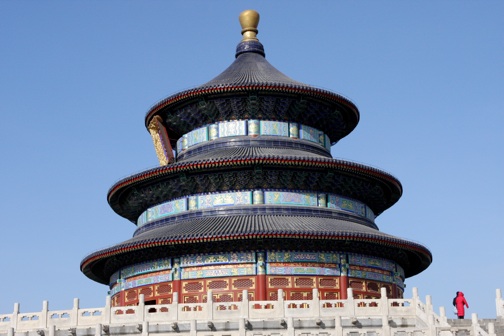
Beijing's Temple of Heaven


dancing
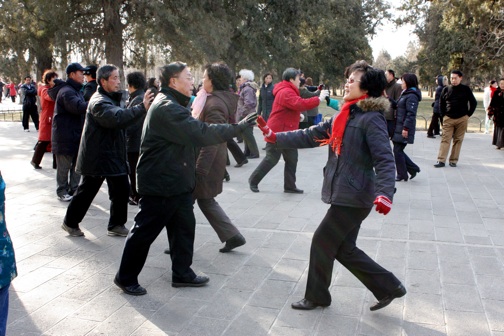
Dancing outside the Temple of Heaven

ribbons
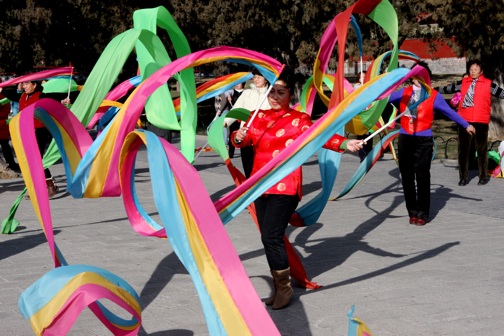
And ribbon dancing

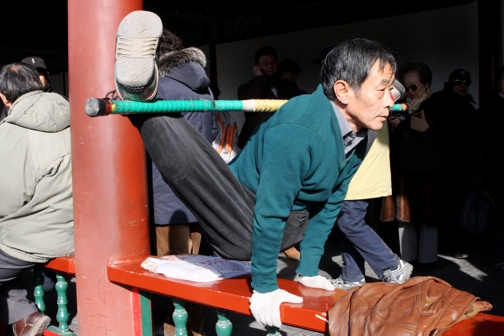
contort
And exercising

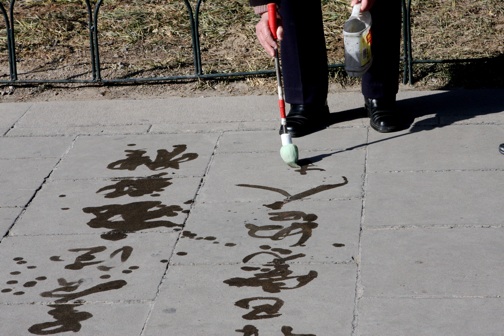
callig
And practicing street calligraphy

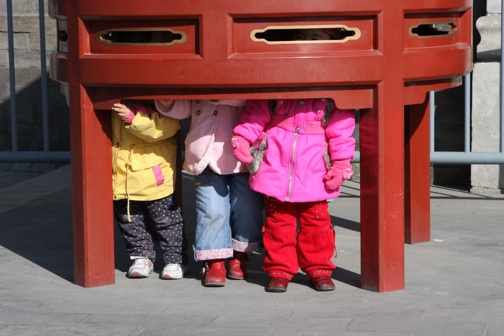
kids
Not only cute, but they speak fluent Chinese

cloi1
Cloisonne bowl in early stage of fabrication

cloi2
Cloisonne bowl about half-way done

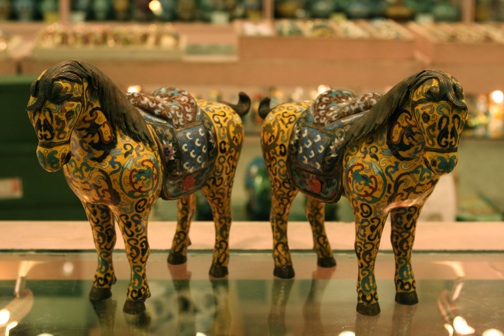
cloi3
Cloisonne horses

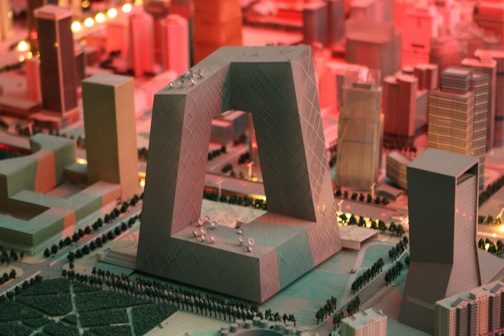
cctv odel
Model of Rem Koolhaas CCTV tower


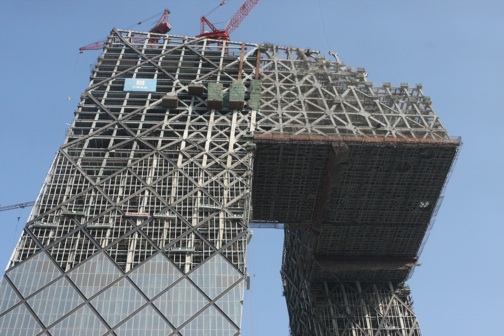
cctv constr
CCTV tower under construction


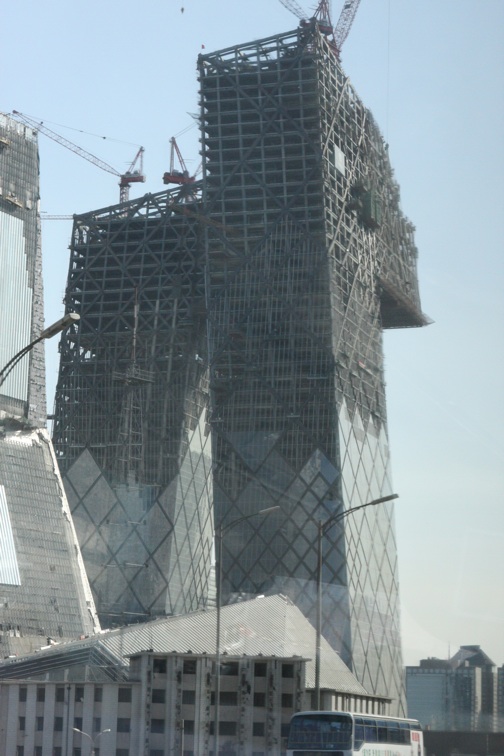
cctv constr2
Another view of the construction

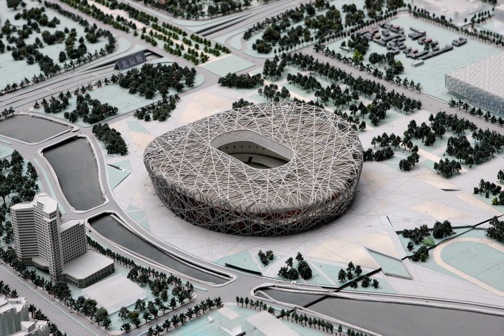
nestegg model
Model of the "Nest Egg," the main Olympics stadium


nestegg constr
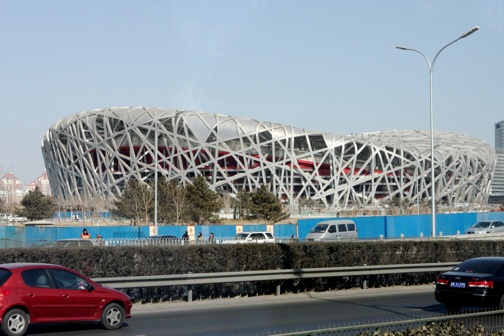
Nest Egg under construction

traffic
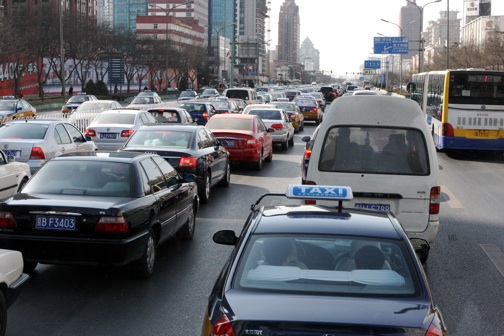
An indelible memory of Beijing